
 ENG
ENG
 English
 русский
 Español
1. Introduction
Industrial Transmission Drives are a cornerstone of modern manufacturing, providing the essential mechanical power needed to operate machinery efficiently. These drives, which include gear, belt, hydraulic, and electric systems, translate energy into motion, allowing factories to achieve high levels of precision and productivity. As industries push towards automation and energy efficiency, understanding the role of industrial transmission drives becomes crucial for plant managers, engineers, and production planners.
Modern manufacturing requires systems that are not only reliable but also adaptable to complex processes. Industrial transmission drives meet this need by offering solutions that reduce downtime, improve operational efficiency, and support the integration of smart technologies like predictive maintenance and Industrial Internet of Things (IIoT).
2. Types of Industrial Transmission Drives
Industrial transmission drives come in various types, each suited for specific manufacturing needs. A brief overview includes:
-
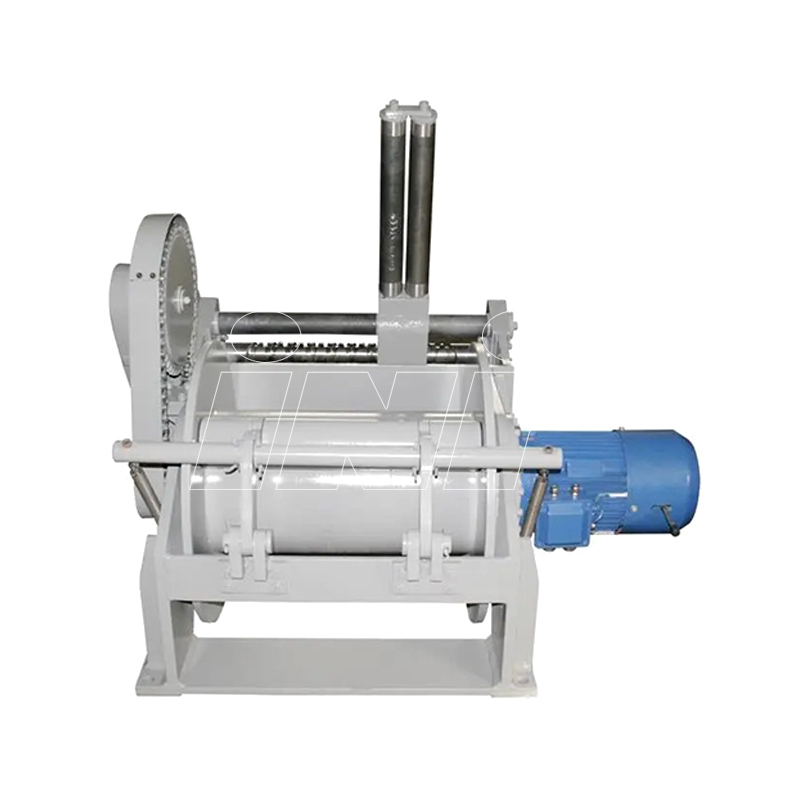
Gear Drives: Gear drives are one of the most common transmission mechanisms. They provide precise speed and torque control, making them ideal for heavy-duty machinery and high-torque applications. Typical uses include milling machines, conveyors, and presses.
-
Belt Drives: Belt drives transmit power between rotating shafts using flexible belts. They are cost-effective and versatile, suitable for light to medium-duty applications. Belt drives are often used in packaging lines, conveyors, and material handling systems.
-
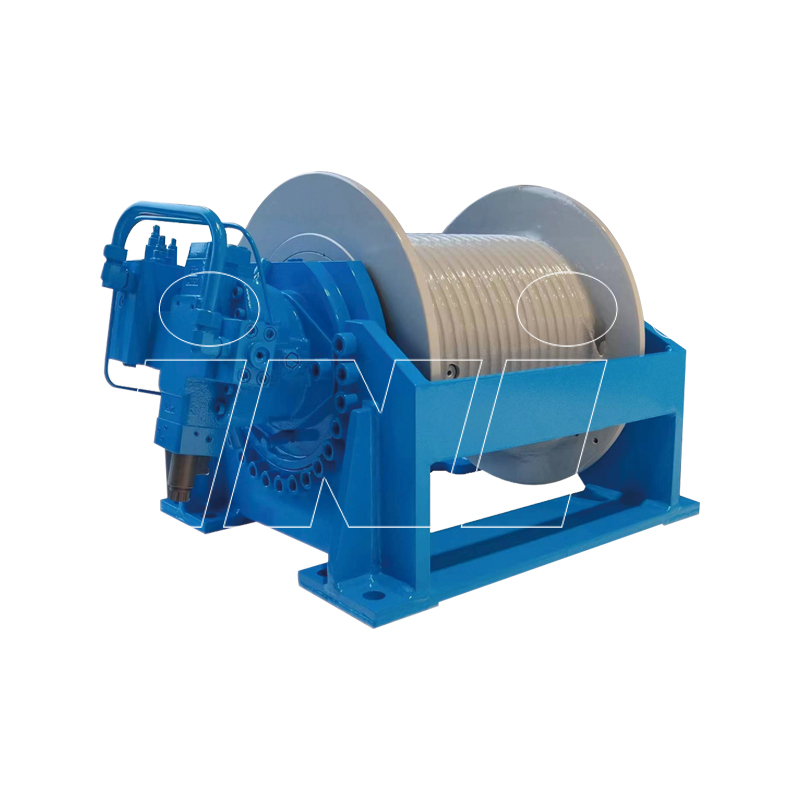
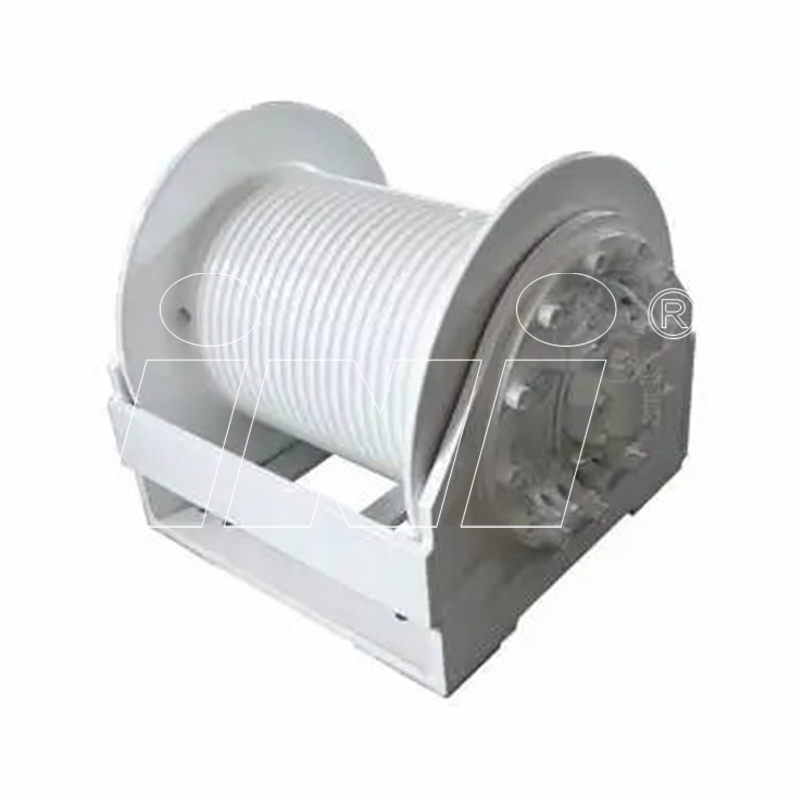
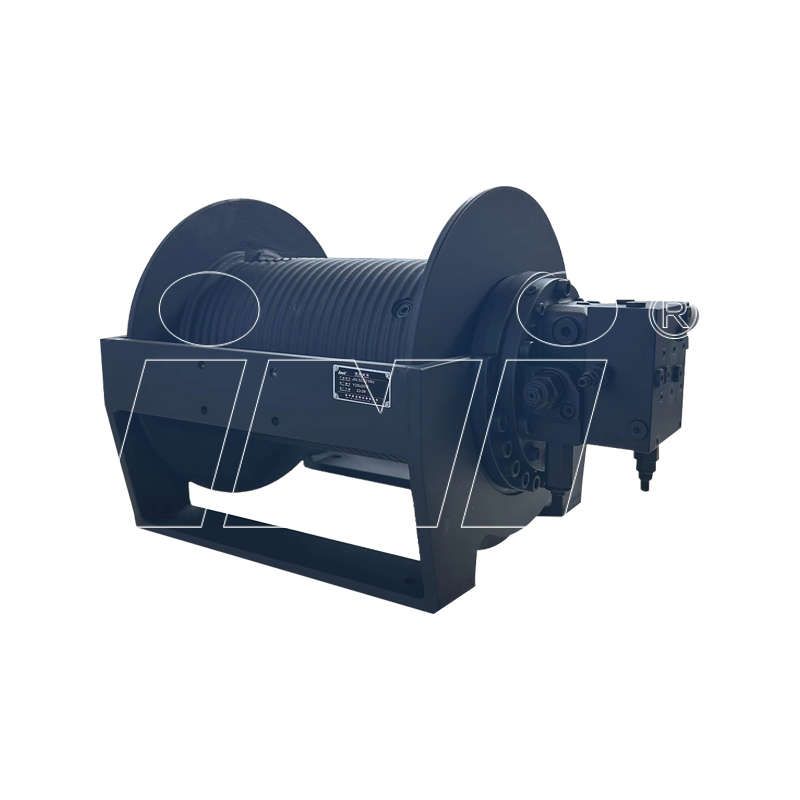
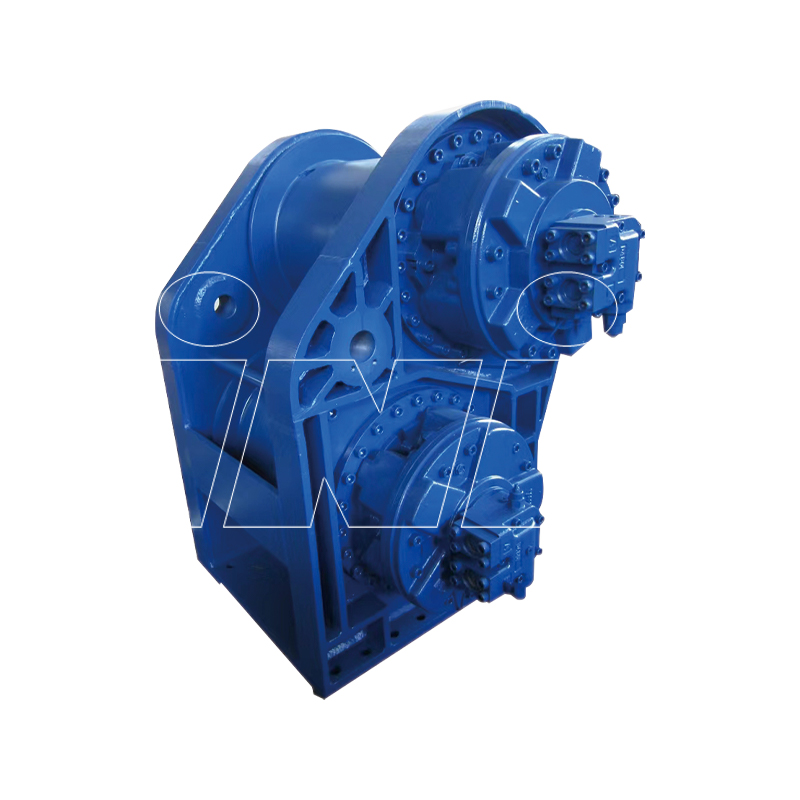
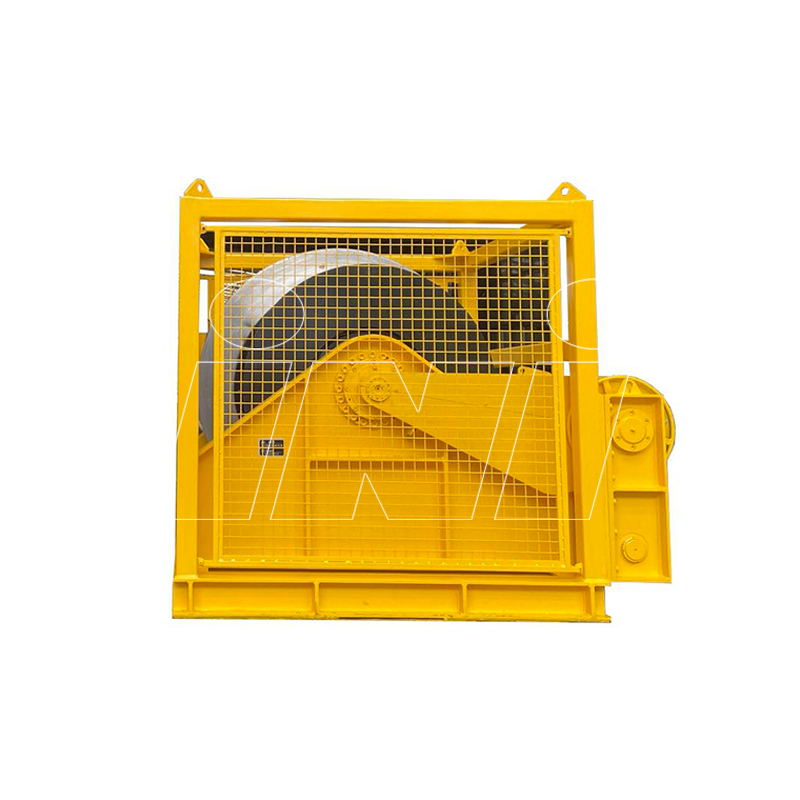
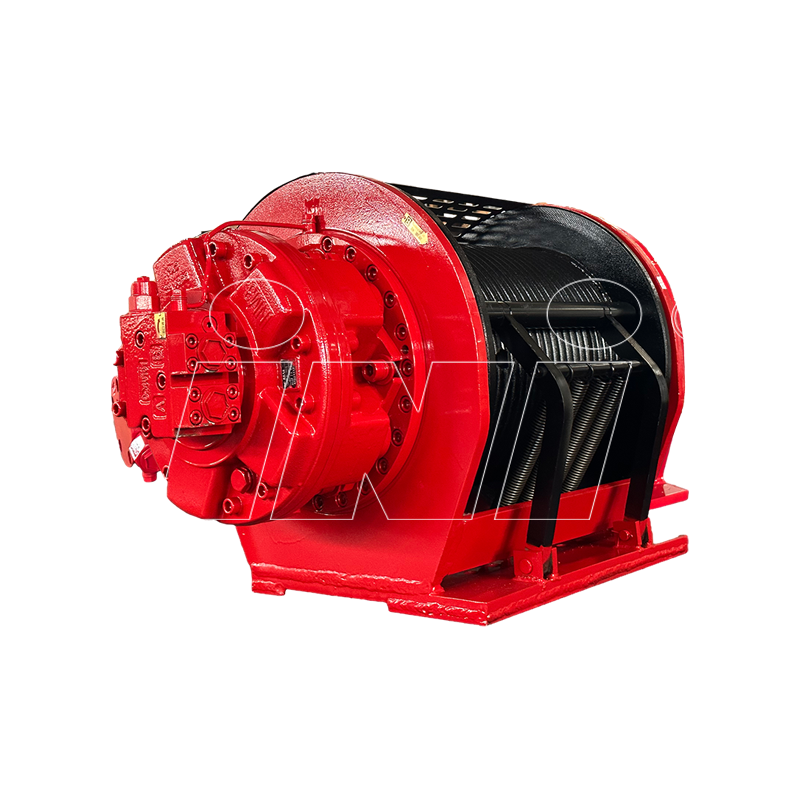
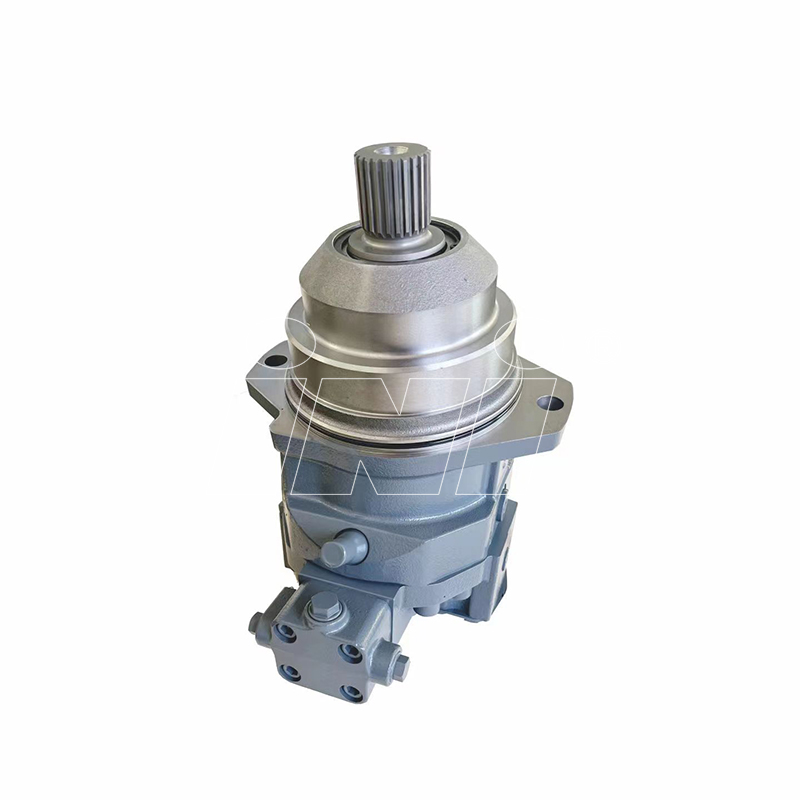
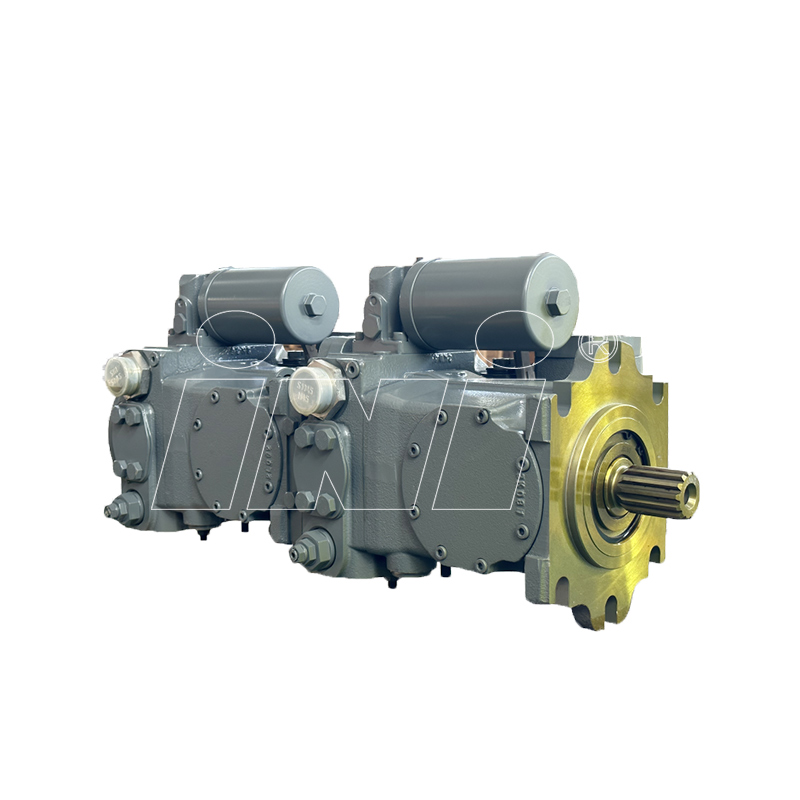
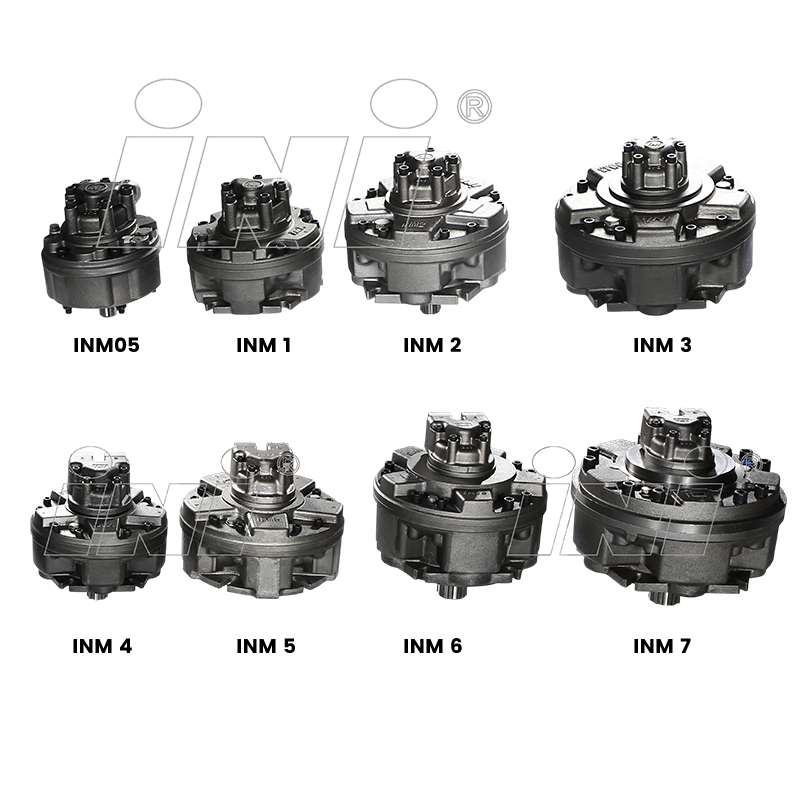
Hydraulic Drives: Hydraulic transmission systems use fluid pressure to generate motion. They are highly efficient for heavy-load operations and provide smooth acceleration and deceleration. Hydraulic drives are commonly found in presses, lifts, and construction machinery.
-
Electric Drives (Variable Frequency Drives, VFDs): VFDs control motor speed and torque by adjusting the electrical input. They are widely used in modern automated production lines, offering energy efficiency, precise control, and integration with digital monitoring systems.
By understanding the strengths and limitations of each drive type, manufacturers can optimize equipment performance and reduce operational costs.
3. Key Applications in Modern Manufacturing
3.1 Automated Production Lines
Automation has transformed manufacturing, with industrial transmission drives at the heart of assembly lines. Gear drives and VFDs power conveyors, robotic arms, and automated assembly stations, ensuring consistent speed and precise movement. By integrating drives with sensors and control systems, manufacturers achieve higher production rates while minimizing human error.
3.2 Packaging and Material Handling
In packaging and material handling, belt and gear drives are essential for moving products efficiently. Conveyor systems, palletizers, and automated packaging machines rely on drives to maintain continuous motion and precise timing. Reliable drives reduce the risk of jams, product damage, and downtime, directly impacting overall productivity.
Comparison of Industrial Transmission Drives in Manufacturing Applications
| Drive Type | Typical Applications | Advantages | Limitations |
|---|---|---|---|
| Gear Drives | Heavy machinery, conveyors, presses | High torque, precise control, durable | Can be noisy, requires lubrication |
| Belt Drives | Packaging lines, light conveyors | Cost-effective, flexible installation | Limited torque capacity, belt wear over time |
| Hydraulic Drives | Presses, lifts, construction machinery | Smooth motion, high load handling | Complex maintenance, potential leakage |
| Electric Drives (VFDs) | Automated production, robotics | Energy-efficient, precise speed control, compatible with IIoT | Higher initial cost, requires electronic control systems |
3.3 Heavy Machinery and Machining Equipment
Heavy machinery in industries such as automotive, metalworking, and aerospace relies on industrial transmission drives for dependable operation. Gear and hydraulic drives ensure that presses, lathes, and milling machines handle high torque without excessive wear. Drives in these machines must be robust, as any failure can cause costly production downtime.
3.4 Energy and Power Systems
Industrial transmission drives are critical in energy-intensive applications, including compressors, turbines, and power generation equipment. Efficient drive systems help optimize energy consumption, improve stability, and support continuous operation. For example, VFDs in pump systems can adjust speed dynamically, reducing energy waste and lowering operational costs.
3.5 Smart Manufacturing and Industrial IoT
With the rise of smart factories, industrial transmission drives are increasingly integrated with IIoT and monitoring systems. Sensors and control units collect real-time data on drive performance, enabling predictive maintenance and early fault detection. This integration enhances equipment uptime, reduces maintenance costs, and supports data-driven decision-making for production planning.
4. Benefits of Industrial Transmission Drives
Industrial transmission drives offer multiple advantages that make them indispensable in modern manufacturing:
- Enhanced Production Efficiency: Drives ensure smooth, precise motion of machinery, increasing throughput and reducing defects.
- Extended Equipment Lifespan: Properly maintained drives reduce wear on machinery components, lowering replacement and maintenance costs.
- Energy Savings: Electric drives and VFDs optimize motor performance, cutting energy consumption in high-load applications.
- Support for Smart Manufacturing: Drives integrated with sensors and IIoT technology enable predictive maintenance, data-driven optimization, and automation.
By leveraging these benefits, manufacturers can achieve competitive advantages through cost reduction, higher productivity, and improved operational reliability.
FAQ
Q1: What is an industrial transmission drive?
A: It is a mechanical or electromechanical system that transfers energy to machinery, enabling motion and control in industrial applications.
Q2: How do I choose the right drive for my factory?
A: Consider factors such as load requirements, speed control, energy efficiency, maintenance capabilities, and integration with automation systems.
Q3: What are the advantages of using VFDs in manufacturing?
A: VFDs allow precise speed control, reduce energy consumption, extend motor life, and enable integration with smart monitoring systems.
Q4: How often should industrial transmission drives be maintained?
A: Maintenance frequency depends on usage and type. Generally, regular inspections, lubrication, and monitoring sensors are recommended to prevent unexpected failures.
References
- Smith, J. Industrial Drives and Transmission Systems. Industrial Press, 2022.
- Brown, L. Automation and Power Transmission in Manufacturing. Springer, 2021.
- International Electrotechnical Commission (IEC) Standards, VFD and Industrial Drive Guidelines, 2023.
- Zhang, H. “Smart Manufacturing and IIoT Integration with Transmission Drives,” Journal of Industrial Engineering, 2022.

 English
 русский
 Español
 TOP
TOP