
 ENG
ENG
 English
 русский
 Español
1. Introduction
Hydraulic anchor winches are essential equipment for vessels, offshore platforms, and marine operations. They provide reliable anchor handling, precise control, and smooth operation, even under heavy loads and challenging conditions. However, like any hydraulic system, proper maintenance is crucial to maximize performance, prevent downtime, and extend the lifespan of the winch.
2. Understanding Hydraulic Anchor Winches
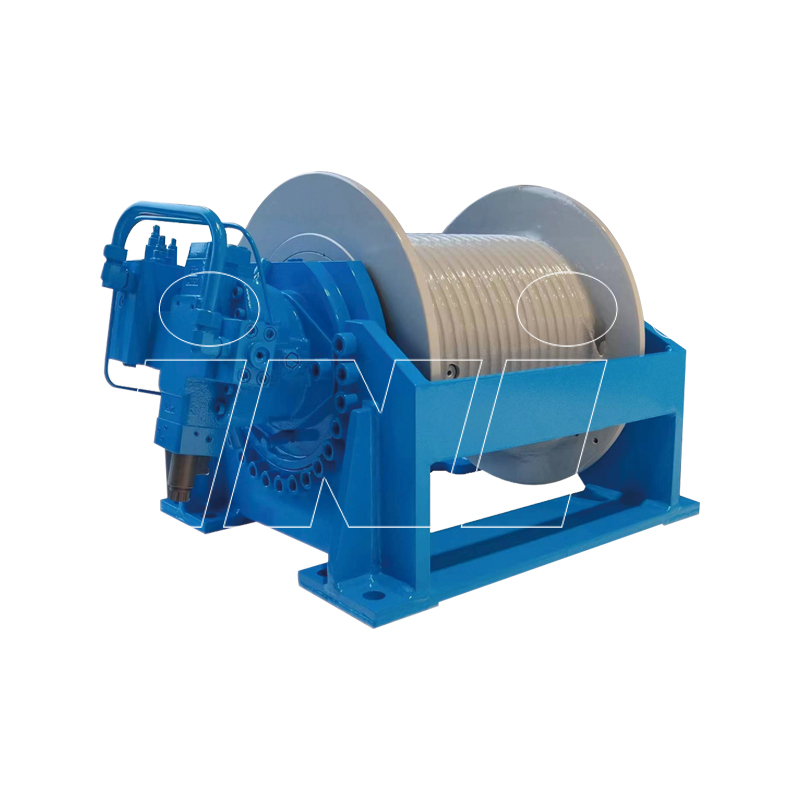
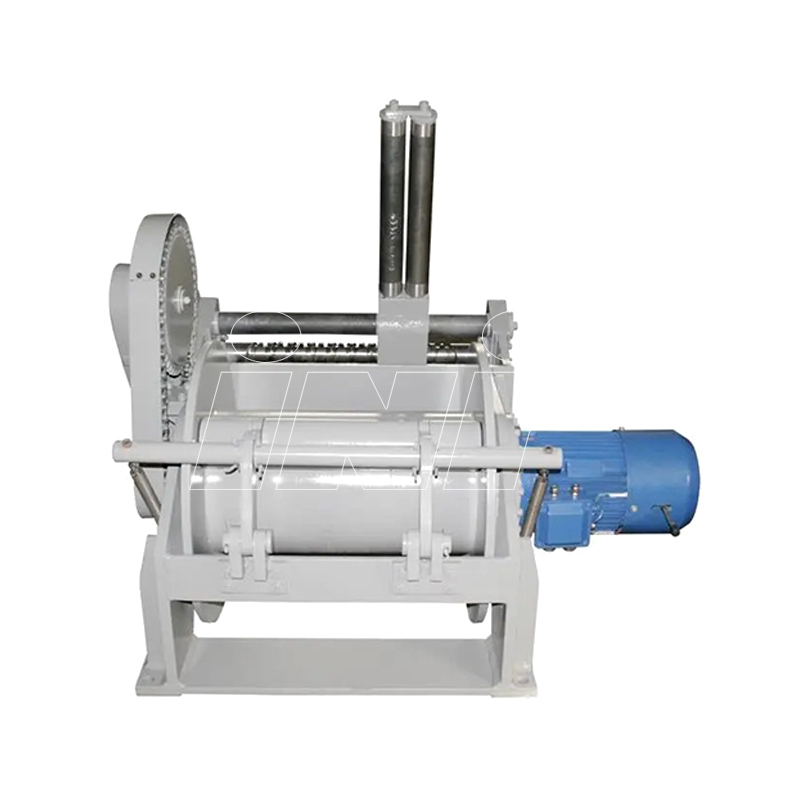
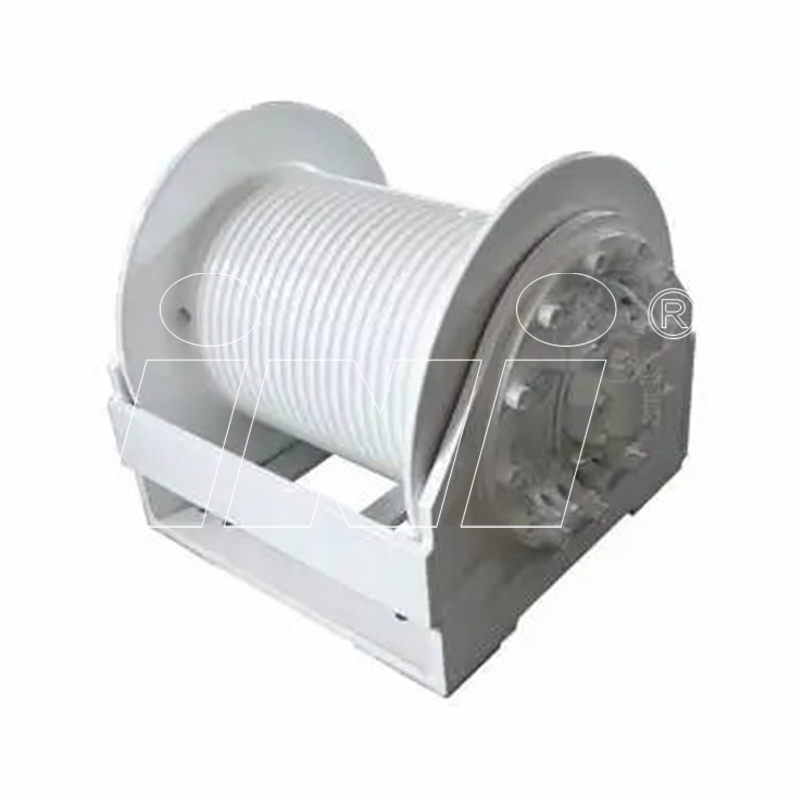
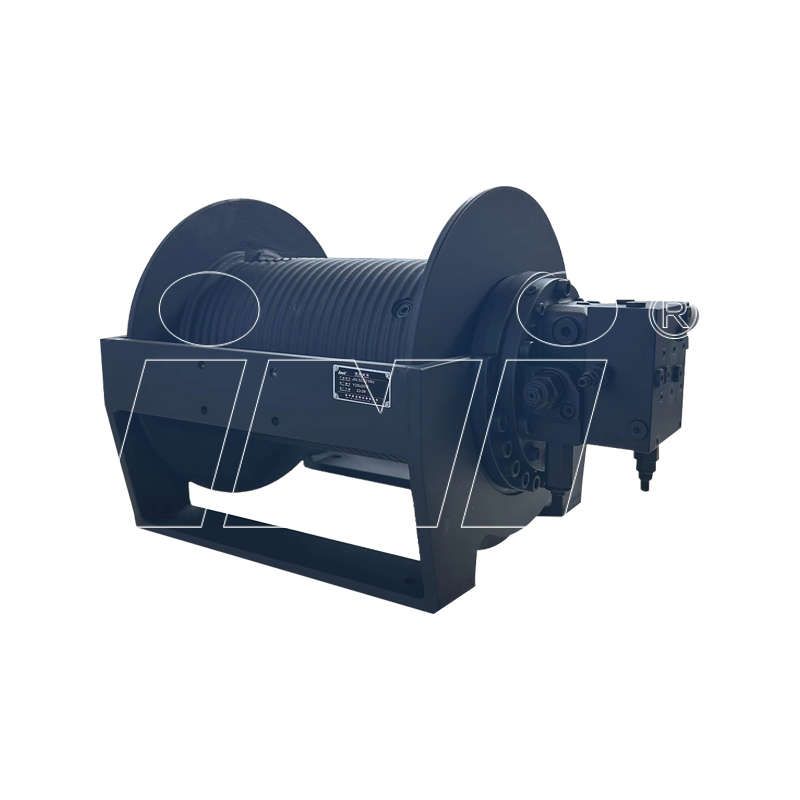
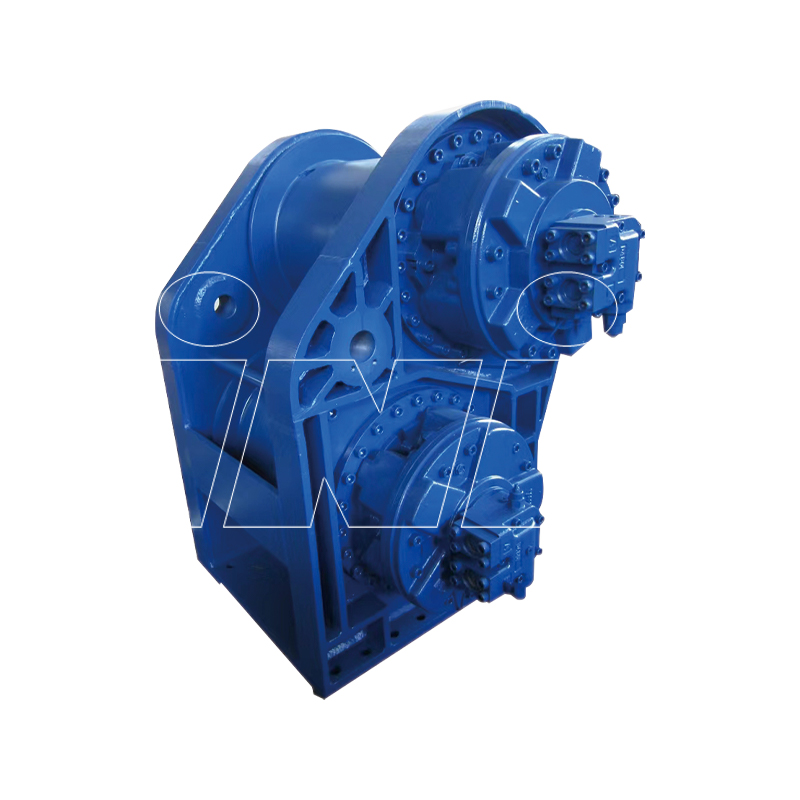
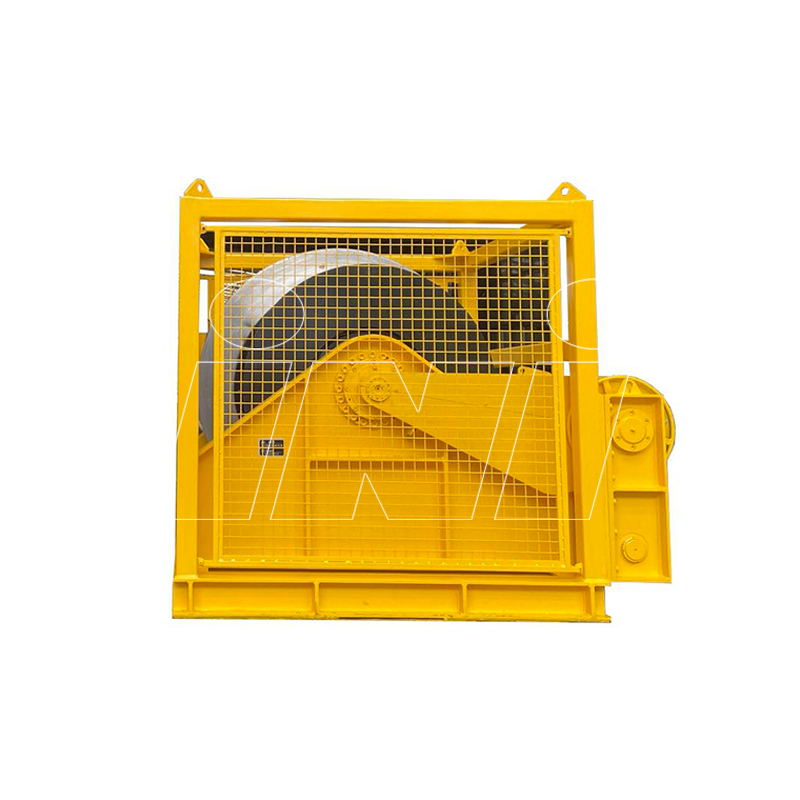
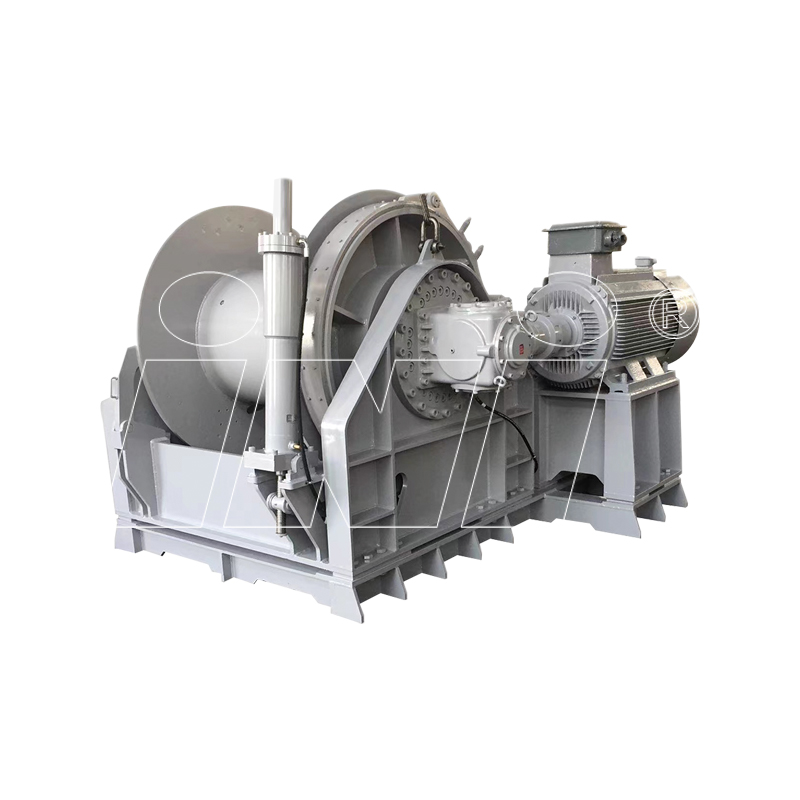
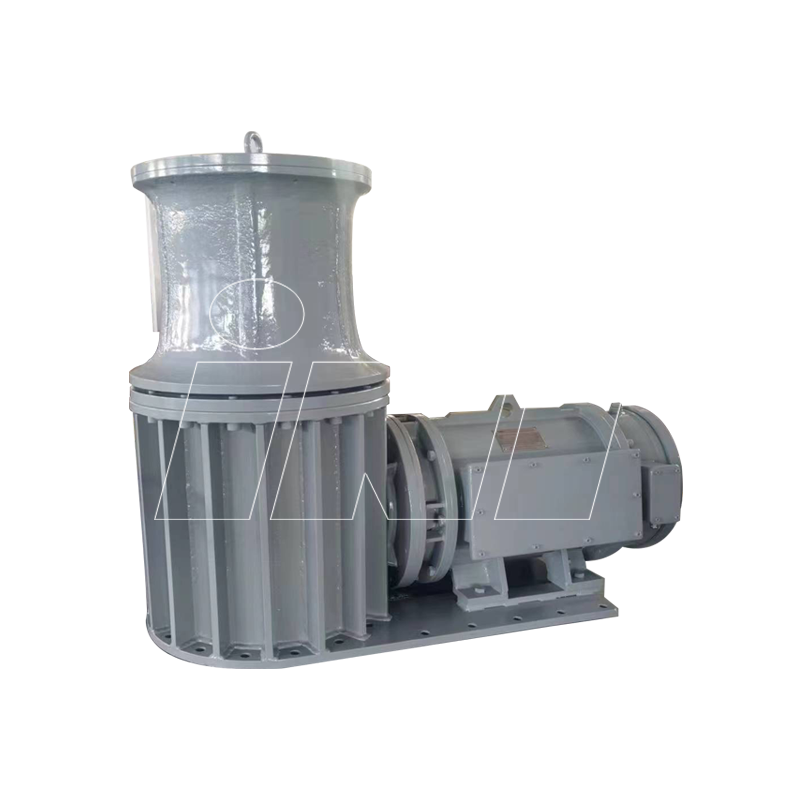
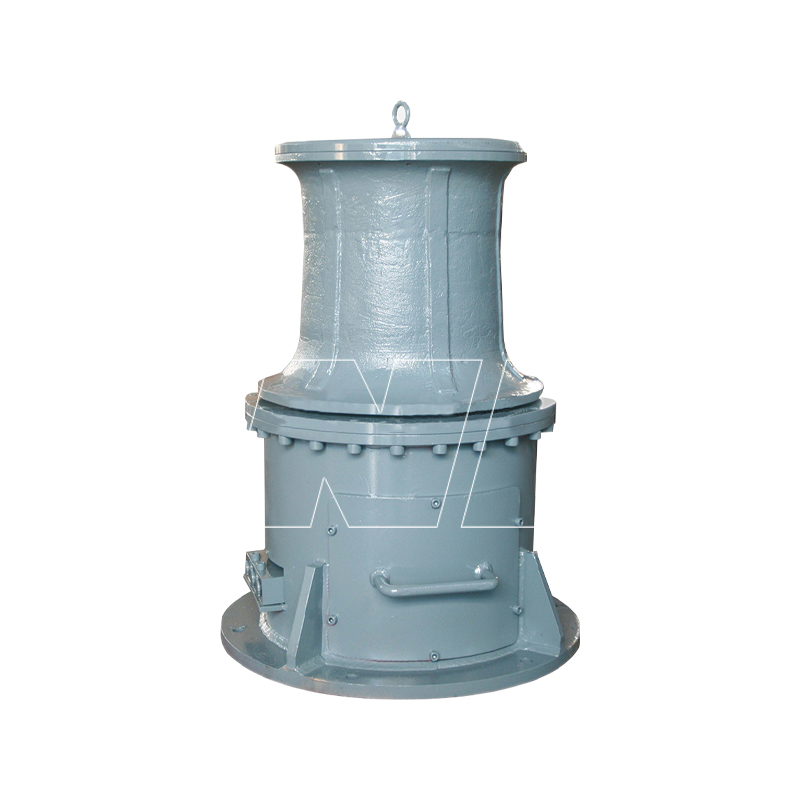
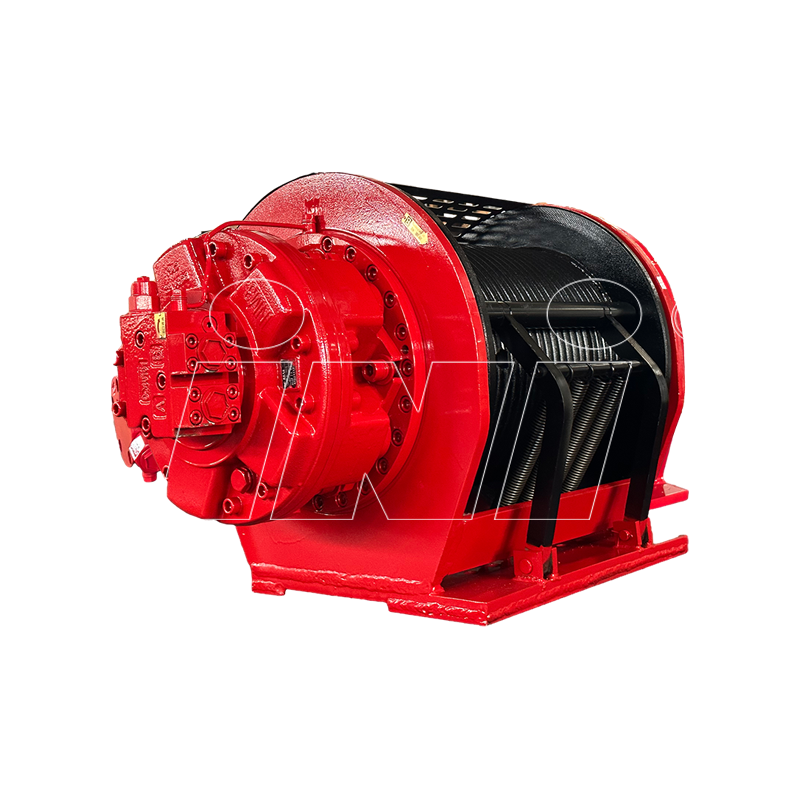
Hydraulic anchor winches use hydraulic pressure to operate motors, gears, and drums, allowing controlled raising and lowering of anchors. Key components include:
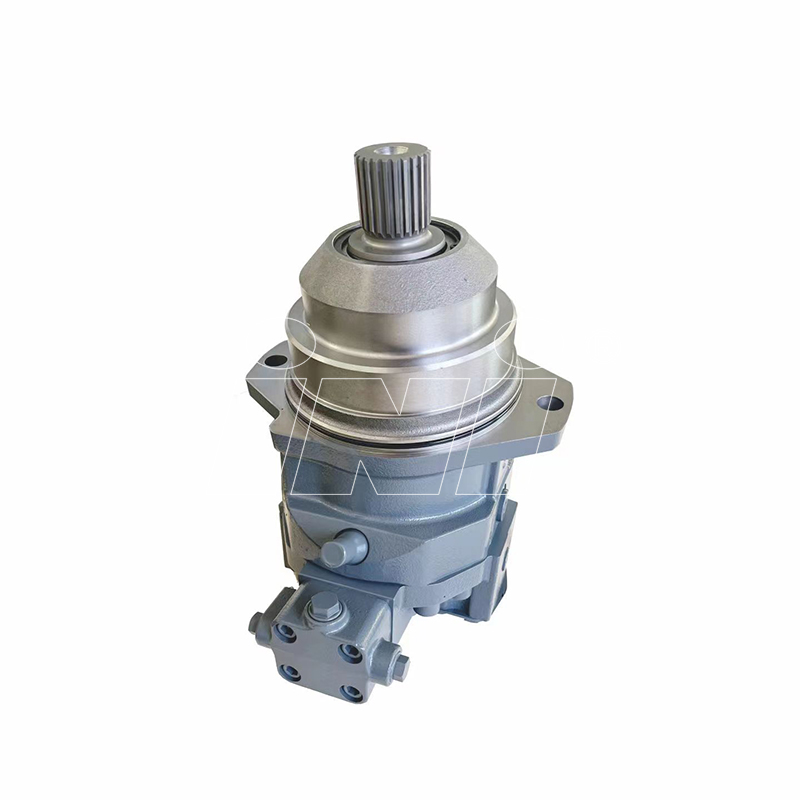
- Hydraulic motor: Converts hydraulic pressure into mechanical rotation.
- Gearbox: Reduces speed and increases torque for heavy anchors.
- Drum and cable system: Holds and deploys the anchor chain or rope.
- Hydraulic hoses and valves: Direct hydraulic fluid to the motor and control system.
- Control panel: Allows operators to adjust speed, direction, and braking.
Understanding these components is crucial because maintenance strategies depend on the proper functioning of each part.
3. Routine Maintenance Tips
3.1 Inspect Hydraulic System Regularly
- Check hoses, fittings, and connections for leaks or wear.
- Inspect hydraulic fluid for contamination, discoloration, or unusual odor.
- Test pressure levels and ensure the system operates within the manufacturer’s recommended range.
3.2 Lubricate Moving Parts
- Apply grease or oil to gears, bearings, and drum surfaces according to the manufacturer’s schedule.
- Use only recommended lubricants to avoid chemical incompatibility or corrosion.
3.3 Check Anchor Chain and Drum
- Inspect the anchor chain or rope for wear, corrosion, or deformation.
- Ensure the drum rotates smoothly and there are no signs of misalignment.
3.4 Maintain Hydraulic Fluid
- Change hydraulic oil at intervals recommended by the manufacturer.
- Use high-quality hydraulic oil with proper viscosity and additives.
- Replace hydraulic filters regularly to prevent contamination.
4. Troubleshooting and Performance Optimization
4.1 Common Problems
| Problem | Possible Cause | Recommended Action |
|---|---|---|
| Slow or jerky winch movement | Low hydraulic pressure, air in system | Bleed system, check pump and valves |
| Hydraulic leak | Damaged hoses, worn seals | Replace hoses/seals, inspect fittings |
| Overheating | Overloaded system, low fluid | Reduce load, check fluid levels and cooling system |
| Excessive noise | Worn bearings or gears | Lubricate or replace components |
4.2 Tips for Performance Optimization
- Operate winch within recommended load limits.
- Avoid sudden starts and stops to reduce wear on gears and motor.
- Periodically test the winch under load to detect early signs of failure.
- Maintain a log of inspections, maintenance, and repairs to track trends.
5. Best Practices for Long-Term Lifespan
- Scheduled Maintenance: Follow a strict maintenance schedule, including weekly, monthly, and yearly inspections.
- Operator Training: Ensure operators understand proper use and load limits.
- Environmental Protection: Protect the winch from saltwater corrosion by rinsing and applying anti-corrosion coatings.
- Spare Parts Availability: Keep critical spare parts like seals, hoses, and filters on hand to reduce downtime.
By implementing these best practices, vessels and offshore platforms can maximize the lifespan of hydraulic anchor winches and reduce the risk of operational failures.
FAQ
Q1: How often should hydraulic oil be changed in anchor winches?
A: Typically, hydraulic oil should be replaced every 6–12 months or as specified by the manufacturer, depending on usage and operating conditions.
Q2: Can I operate the winch if there is a small hydraulic leak?
A: No. Even minor leaks can lead to pressure loss, overheating, and damage to the hydraulic motor. Repair leaks immediately.
Q3: How do I prevent corrosion on hydraulic anchor winches?
A: Rinse the winch with fresh water after exposure to saltwater, apply anti-corrosion coatings, and keep components well-lubricated.
Q4: Is operator training important for winch maintenance?
A: Yes. Proper operation prevents overloading, reduces wear, and ensures that the maintenance schedule is effective.
References
- Marine Maintenance Manuals, Hydraulic Systems and Anchor Winches, 2022.
- Lloyd’s Register, Guidelines for Safe Operation of Hydraulic Winches, 2021.
- Smith, J., Marine Hydraulic Systems: Operation and Maintenance, Industrial Press, 2020.
- International Maritime Organization (IMO), Best Practices for Offshore Winches, 2023.

 English
 русский
 Español
 TOP
TOP