
 ENG
ENG
 English
 русский
 Español
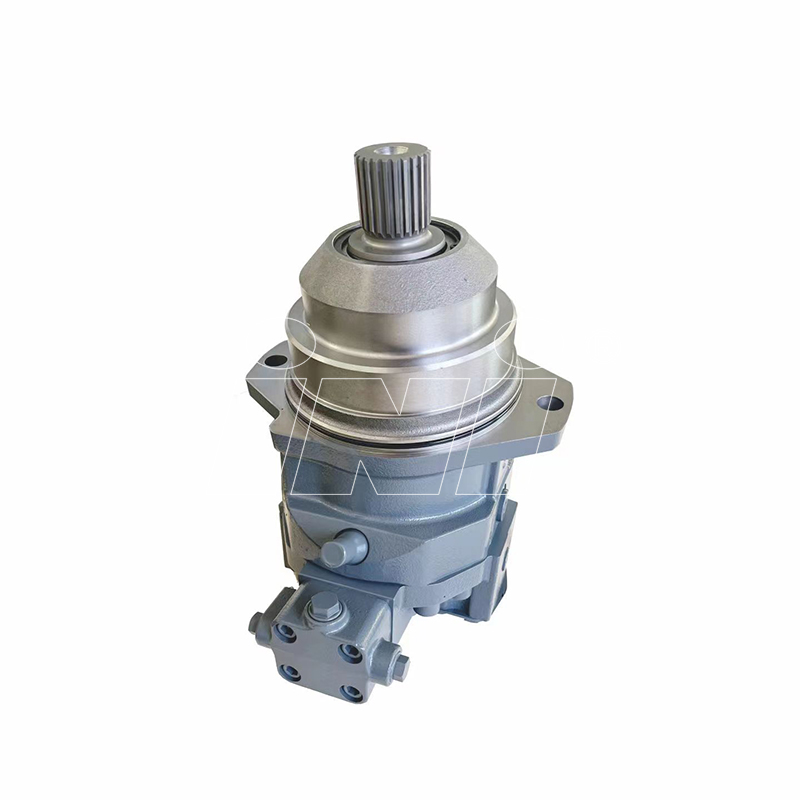
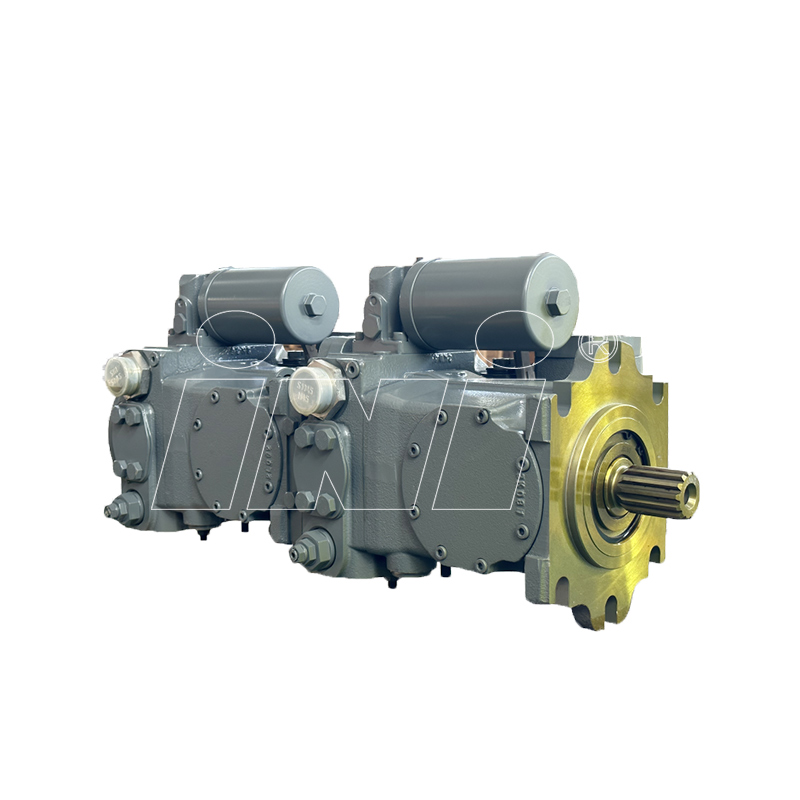
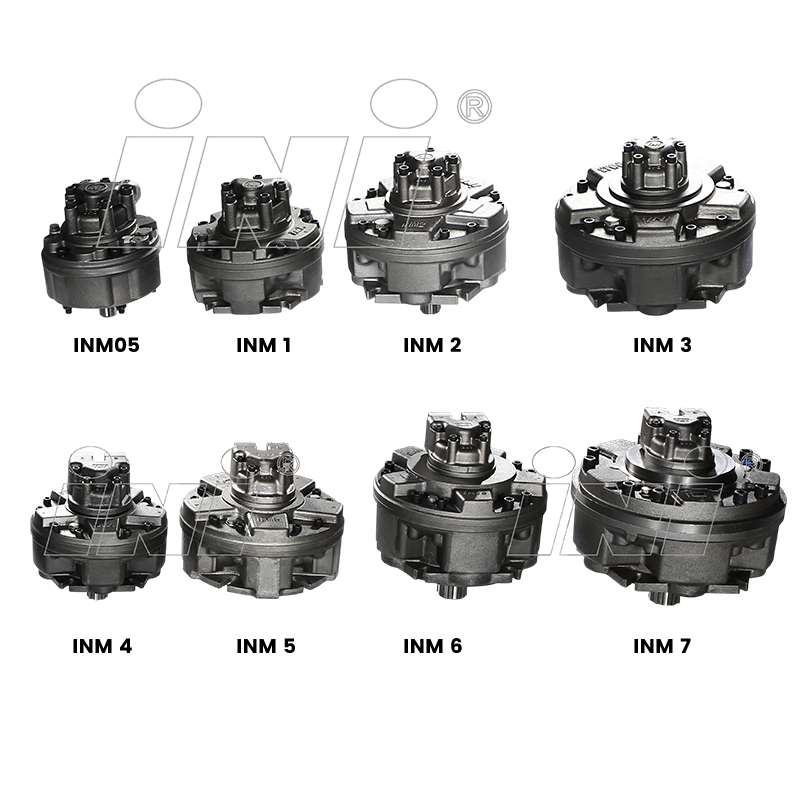
Industrial transmission drives are key components that play a crucial role in the performance and longevity of industrial machinery. These drives are responsible for transferring mechanical power from the motor to various moving parts of a machine, ensuring efficient energy use and reducing wear on individual components. Transmission drives are not only designed for efficiency but also for durability, ensuring that the entire machine operates smoothly over an extended period.
1. Smooth Power Transmission
The primary function of industrial transmission drives is to ensure the smooth transfer of power from the motor to the driven components. This smooth transmission is essential because it minimizes unnecessary vibrations or fluctuations in power. If power is transmitted unevenly or with excessive force, it can cause shock loads and wear on the machinery’s components, reducing the system’s overall lifespan. Industrial transmission drives are designed to provide a steady flow of power, even under high-demand conditions.
A smooth transmission also helps maintain consistent performance in machines that require high precision, such as CNC machines, motors, and pumps. For example, in heavy machinery like crushers or mills, uneven power transfer could lead to stress on gears and shafts, resulting in faster wear. Industrial transmission drives ensure that power is transmitted at optimal efficiency, reducing the stress on these critical components and significantly extending the durability of the entire system.
2. Load Distribution and Shock Absorption
Industrial transmission drives are designed to distribute mechanical loads evenly across various components within the machine. When heavy loads are applied to rotating machinery, components like gears, shafts, and bearings experience immense stress. If this load is not distributed properly, it can lead to localized failure, such as wear, deformation, or fracture of machine parts. Transmission drives help to evenly distribute these loads, preventing excessive pressure on any single component.
Additionally, many industrial transmission drives include features that absorb shock loads. In systems that undergo frequent starts, stops, or high-speed rotations, such as conveyor belts, mills, or crushers, shock absorption is essential. These drives are built to cushion the impact of sudden changes in load or speed, thus reducing the risk of mechanical failure. By absorbing shocks and mitigating vibration, transmission drives protect the internal components of machines, ensuring smoother operation and extending the service life of critical parts.
Load Distribution Example:
| Equipment Type | Role of Transmission Drive | Durability Benefit |
|---|---|---|
| Conveyor Systems | Distributes load evenly across pulleys and motors | Reduces motor and belt wear |
| Heavy-Duty Machinery | Ensures even load handling across gears and shafts | Prevents gear and shaft failure |
| Mills and Crushers | Absorbs impact from sudden starts and stops | Extends bearing and gear life |
3. Efficiency and Energy Conservation
Energy efficiency is a vital aspect of industrial transmission drives, especially when considering their impact on the durability of machinery. These drives are engineered to minimize energy losses by ensuring that mechanical power is transmitted with minimal friction. When energy is efficiently transferred, it reduces the amount of wasted heat generated within the system, which is one of the main contributors to wear and tear on components.
Excessive heat buildup can lead to accelerated degradation of materials, lubrication breakdown, and premature failure of components like bearings, gears, and seals. Transmission drives that operate with high efficiency help reduce the amount of heat generated, keeping the equipment cooler and reducing the stress on internal parts. Furthermore, by operating more efficiently, these drives require less energy to perform the same task, which results in fewer mechanical failures due to overheating.
4. Reduced Maintenance Requirements
Reduced maintenance is a direct benefit of using industrial transmission drives in machinery. These drives are designed to be low-maintenance, with many featuring sealed components that prevent dirt, moisture, and debris from entering the system. This protects the critical internal parts of the machinery, reducing the need for frequent inspections and repairs.
Furthermore, transmission drives that operate efficiently with reduced friction experience less wear on moving parts, such as gears, shafts, and bearings. This means that components last longer and do not need to be replaced as often. By improving the overall reliability of the system and reducing the frequency of maintenance, these drives help to extend the lifespan of machinery, lower downtime, and reduce repair costs.
| Maintenance Aspect | Benefit of Transmission Drive | Durability Impact |
|---|---|---|
| Lubrication Systems | Sealed components reduce the need for frequent lubrication | Reduces component wear |
| Inspection Needs | Fewer breakdowns and less wear | Extends time between repairs |
| Component Longevity | Reduced friction and heat generation | Longer lifespan of parts |
5. Adaptability to Varying Conditions
Industrial transmission drives are often used in environments with varying load conditions, temperatures, and speeds. These drives are designed to adapt to different conditions, ensuring that they operate efficiently under fluctuating circumstances. For example, a machine might experience varying loads throughout the day depending on the materials it’s processing or the demands of the operation. Transmission drives are built to handle these fluctuations, ensuring that the machine continues to operate smoothly.
This adaptability reduces the risk of component failure caused by sudden changes in load or operating speed. In industries like mining, where equipment operates under extreme conditions, the ability of industrial transmission drives to handle such variations is crucial for protecting the machinery and extending its service life.
6. Improved Lubrication and Cooling Systems
Lubrication and cooling are vital in preventing wear and overheating in industrial machinery. Many industrial transmission drives incorporate advanced lubrication systems that provide consistent, high-quality lubrication to bearings, gears, and other moving parts. By maintaining optimal lubrication, these systems reduce friction, which minimizes heat generation and wear.
Cooling systems are also integrated into many transmission drives to ensure that the machinery remains at the appropriate operating temperature. These systems help to dissipate excess heat, preventing overheating that could damage internal components. By keeping components well-lubricated and within safe temperature ranges, these drives help to maintain the machinery’s durability, even under heavy-duty operating conditions.
FAQ Section
Q1: What are the primary functions of industrial transmission drives?
- Industrial transmission drives facilitate the transfer of mechanical power, ensuring smooth operation while distributing loads evenly across machinery components.
Q2: How do industrial transmission drives improve energy efficiency?
- These drives are designed to minimize friction, reducing energy loss and heat buildup, which helps extend the lifespan of components and improves overall system performance.
Q3: Can industrial transmission drives handle varying operating conditions?
- Yes, these drives are highly adaptable, allowing them to operate efficiently under different speeds, temperatures, and load conditions, thus enhancing equipment durability.
Q4: Do industrial transmission drives require frequent maintenance?
- No, they are designed to be low-maintenance, with sealed components and efficient lubrication systems that reduce the need for frequent servicing.
Q5: How do industrial transmission drives contribute to machinery longevity?
- By ensuring smooth power transfer, reducing friction, absorbing shocks, and improving energy efficiency, transmission drives minimize wear and tear, significantly extending the life of machinery.
References:
- Industrial Power Transmission: Principles and Design – D. T. Burghardt, Wiley & Sons, 2014.
- Handbook of Industrial Drives – S. M. Sohel, CRC Press, 2016.
- Mechanical Design of Transmission Systems – S. K. Gupta, McGraw-Hill, 2012.

 English
 русский
 Español
 TOP
TOP