
 ENG
ENG
 English
 русский
 Español
Industrial hydraulic motors and pneumatic motors are two common types of power transmission devices used in modern machinery. Both convert energy into rotational motion, but they operate on fundamentally different principles: hydraulic motors use pressurized fluids, while pneumatic motors use compressed air. These differences have a significant impact on performance, efficiency, load handling, and suitability for specific industrial applications. Understanding the strengths and limitations of each motor type is crucial for engineers, operators, and procurement managers when designing or selecting machinery.
Power and Torque Capabilities
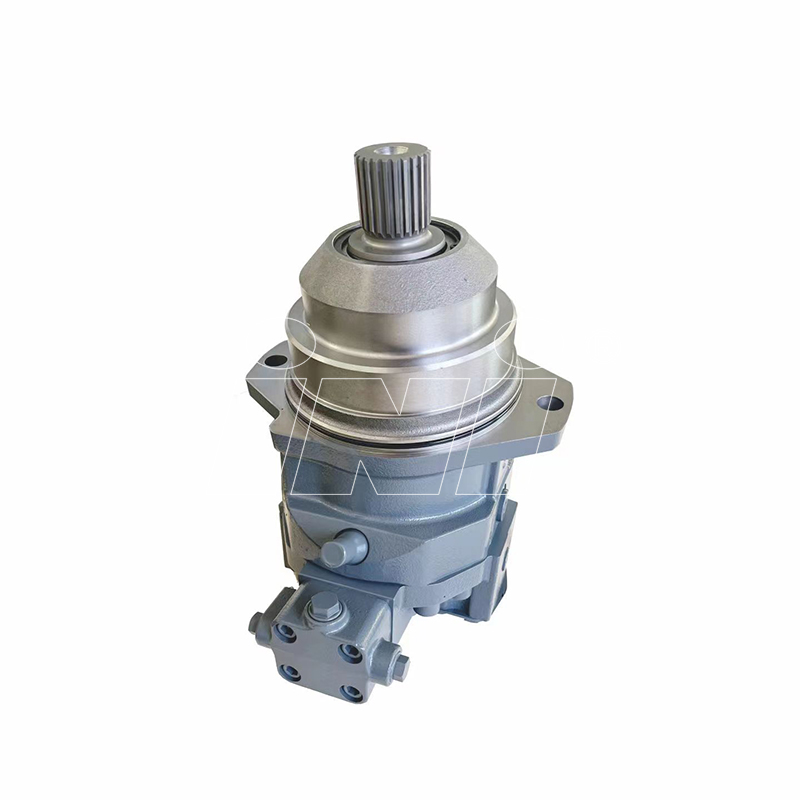
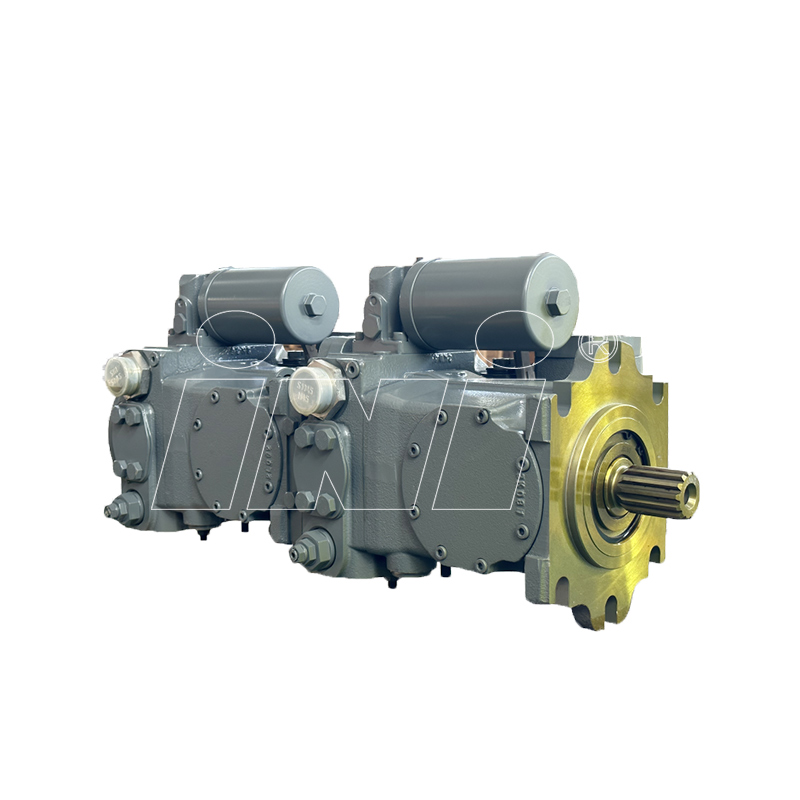
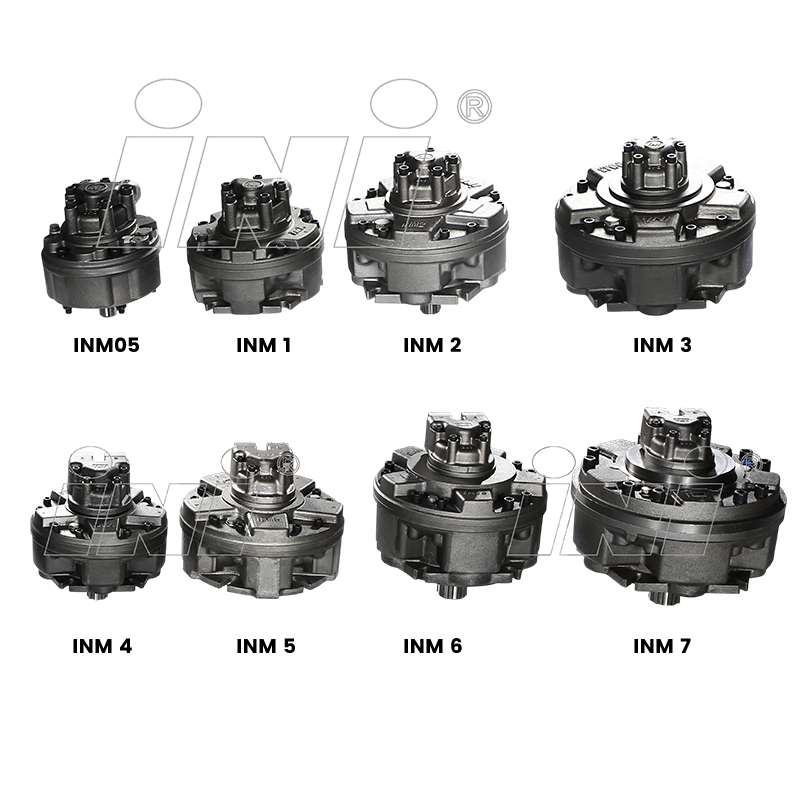
Industrial hydraulic motors are renowned for their high torque output and ability to perform under heavy loads. They can generate significant torque even at low speeds, making them ideal for construction machinery, industrial presses, conveyor systems, and heavy-duty vehicles. The torque delivered by hydraulic motors is smooth, predictable, and highly controllable, which ensures precise operation even under variable load conditions.
Pneumatic motors, on the other hand, rely on the expansion of compressed air to produce motion. While pneumatic motors can reach higher rotational speeds than hydraulic motors, their torque output is comparatively lower. This makes them better suited for light-duty or high-speed applications, such as small automated tools, packaging machinery, and robotics. Pneumatic motors are less effective in continuous high-load scenarios, as the energy density of compressed air is much lower than that of hydraulic fluids.
Therefore, when applications demand sustained torque, heavy lifting, or precise control, hydraulic motors outperform pneumatic motors. Pneumatic motors are more appropriate when speed and lightweight design are prioritized over high torque.
Efficiency and Energy Consumption
Energy efficiency is a major consideration in selecting between hydraulic and pneumatic motors. Industrial hydraulic motors typically achieve efficiency rates between 85% and 95%, depending on their design and operating conditions. They convert pressurized fluid energy directly into mechanical rotation with minimal losses, making them highly energy-efficient for continuous or heavy-duty operations.
Pneumatic motors, however, usually operate at a lower efficiency range of 20% to 40%. The primary energy losses occur during air compression, leakage, expansion, and exhaust. Although pneumatic systems are simpler and more affordable to install, the operational energy cost can be higher for sustained operations due to these losses.
In summary, hydraulic motors are more energy-efficient and cost-effective for applications requiring continuous power and heavy loads, while pneumatic motors excel in intermittent or portable tasks where high-speed rotation is more important than energy efficiency.
Load Handling and Control Precision
Hydraulic motors provide superior load handling and precision control due to the incompressibility of hydraulic fluids. They maintain constant torque and speed even under varying loads, making them ideal for applications like cranes, winches, industrial presses, and automated machinery. Operators can precisely control speed, direction, and torque using flow control valves, proportional controllers, and pressure regulators.
Pneumatic motors, while faster to respond, are limited by the compressibility of air, which can cause fluctuating torque and less precise motion under changing load conditions. This means that in applications where accuracy, stability, and repeatable performance are critical, hydraulic motors are the preferred choice. Pneumatic motors remain suitable for light-load, high-speed operations, where small torque variations are acceptable.
Durability and Maintenance Requirements
Industrial hydraulic motors are built for long-term durability and can withstand high pressures and continuous operation with proper maintenance. Routine maintenance typically involves checking hydraulic fluid levels, inspecting seals, and monitoring for leaks. With proper care, hydraulic motors can operate for thousands of hours with minimal performance degradation, making them ideal for heavy-duty industrial environments.
Pneumatic motors have simpler designs and are lighter and easier to maintain, but they are more susceptible to wear caused by moisture, dirt, and fluctuating air quality. Frequent lubrication and filtration are necessary to ensure consistent performance. Pneumatic motors generally have a shorter lifespan in continuous high-load applications, limiting their use in heavy machinery.
Performance Comparison Table: Hydraulic vs Pneumatic Motors
| Feature | Industrial Hydraulic Motor | Pneumatic Motor |
|---|---|---|
| Torque Output | High, smooth, controllable | Low to moderate |
| Rotational Speed | Moderate to high | High |
| Efficiency | 85%-95% | 20%-40% |
| Load Handling | Excellent, stable under heavy load | Limited, variable under load |
| Precision Control | High | Moderate, less stable under varying loads |
| Durability | Long lifespan under continuous operation | Shorter lifespan under heavy use |
| Maintenance | Regular fluid checks, seal inspection | Frequent lubrication and air filtration |
| Common Applications | Construction equipment, presses, conveyors | Packaging machinery, robotics, portable tools |
FAQ: Industrial Hydraulic vs Pneumatic Motors
Q1: Can pneumatic motors replace hydraulic motors in heavy-duty applications?
No. Pneumatic motors lack the torque and load-handling capacity required for continuous heavy-duty operations.
Q2: Which motor type is more energy-efficient?
Hydraulic motors are more energy-efficient due to higher conversion efficiency of fluid power to mechanical motion.
Q3: Are pneumatic motors easier to maintain than hydraulic motors?
Yes, pneumatic motors have simpler designs, but air quality and lubrication still need attention.
Q4: Which motor type offers better precision?
Hydraulic motors provide smoother and more precise control under varying loads.
Q5: Where are pneumatic motors preferred?
Pneumatic motors are ideal for high-speed, lightweight, or portable applications with lower torque requirements.
References
- Eaton – Hydraulic vs Pneumatic Motors: Performance Comparison
- Parker Hannifin – Industrial Hydraulic Motors Technical Guide
- Machinery Handbook – Fluid Power Systems and Maintenance
- Fluid Power Journal – Load Handling and Efficiency in Hydraulic and Pneumatic Motors

 English
 русский
 Español
 TOP
TOP